





 Contact
 Log in
Company News
Considering a Sale? How a 1031 Exchange Through a Sponsor Can Work for Bay Area Apartment Owners

If you have owned apartment buildings in the San Francisco Bay Area for a long time, you have built something meaningful. You stuck with it through market cycles, navigated an evolving regulatory landscape, and created real wealth through patience and hands-on effort.
At some point, though, many owners begin thinking about what the next chapter looks like. Maybe you are approaching retirement. Maybe your children live out of state and have no interest in managing a building. Maybe you are simply ready to step back from the day-to-day responsibilities of being a landlord after decades of doing it well.
If any of that sounds familiar, and if selling part or all of your portfolio is on the table, leveraging the 1031 exchange and reinvesting that equity with an experienced real estate sponsor is an option worth understanding. It allows you to capture the value that you have created, defer taxes, stay invested in real estate, and transition from active management to passive ownership.
A Brief Overview of the 1031 Exchange
A 1031 exchange, named for Section 1031 of the Internal Revenue Code, allows real estate investors to sell an investment property and reinvest the proceeds into another qualifying property without triggering immediate capital gains taxes. The tax liability is deferred, not eliminated, but the strategy keeps more of your capital working for you rather than going to taxes at the time of sale.
To qualify, several conditions must be met:
Like-kind requirement: Both the property being sold and the replacement property must be held for investment or business purposes. Personal residences do not qualify.
Qualified intermediary: Sale proceeds must be held in escrow by a qualified third party. Investors cannot take constructive receipt of the funds. This arrangement must be in place before the sale closes.
Identification and closing timelines: The investor must identify a replacement property within 45 days of the sale and close on it within 180 days. For owners who do not buy and sell real estate regularly, these windows can feel tight, particularly in competitive markets.
Why Consider a Sponsor?
One of the most common concerns we hear from long-time apartment owners is straightforward: a 1031 exchange makes sense on the tax side, but purchasing another property means taking on another set of management responsibilities. For someone who is looking to simplify, that trade-off can feel like a lateral move.
Conducting a 1031 exchange through a real estate sponsor offers a different outcome. Rather than purchasing a replacement property outright, you exchange into a professionally managed, institutional-quality asset. Taxes are deferred, allowing the full proceeds of your sale to remain invested and working for you, plus relieve you of the daily burden of being a landlord. You transition from active management to passive ownership in a property that is overseen by institutional-quality professionals. This can be a meaningful quality of life improvement.
What This Can Look Like in Practice
Tax deferral: The ability to defer capital gains taxes at the time of sale is the foundation of any 1031 exchange. For Bay Area owners who purchased their properties years or decades ago, the appreciation is significant, and the deferral allows you to preserve that equity rather than losing a meaningful share of it to taxes. These taxes can include state and federal long-term capital gains ranging from 28-42%, as well as depreciation recapture.
Passive ownership: When you exchange into a professionally managed property, you are no longer responsible for managing tenants, trash, or toilets. Plus, you no longer need to fear the midnight maintenance calls or headaches that come with running a building. An experienced sponsor handles all of that, and its institutional-quality management practices can provide more predictable cash flows from higher-quality properties. The hands-on management burden goes away but the cash flow remains.
Estate planning flexibility: This is where the conversation often becomes most personal. Real estate held at the time of an owner’s passing is eligible for a step-up in basis, which allows heirs to reset the property’s tax basis to its current market value. This can significantly reduce the capital gains tax burden on a future sale. For owners whose children or heirs do not want to inherit the responsibilities of managing a building, an ownership stake in a professionally managed property is a simpler, more flexible asset to pass along. It can be divided more easily among multiple heirs, and no one needs to become an accidental landlord.
Geographic diversification: A sponsor with a national footprint can provide exposure to markets beyond the Bay Area, each with its own growth characteristics and risk profile. You move from concentrated ownership in a single property to diversified participation across multiple markets, without needing to develop local expertise or travel to inspect buildings.
Capital appreciation: Through disciplined property selection, capital improvements, and professional asset management, a strong sponsor can reduce controllable expenses, increase resident retention, and maximize net operating income. Over time, these efforts can drive meaningful property value appreciation and support long-term wealth creation.
Choosing the Right Partner
If this approach is appealing to you, the next step is finding the right sponsor. Not all are alike, and the decision is worth careful consideration. A few things to evaluate:
Track record and transparency: Look for a sponsor with a demonstrated history of delivering consistent returns and providing clear, regular reporting to investors. Understand if this group has managed through multiple cycles and if they have come through market downturns.
Interest Alignment: Look for sponsors that invest their own capital alongside their investors. When a sponsor has meaningful skin in the game, incentives are naturally aligned around the same outcome: strong, long-term performance.
Specialization: Deep expertise in a specific asset class matters. A sponsor with extensive experience in the property type you are investing in is essential. Understand if the group is vertically integrated, meaning it has its own property and construction management teams. Are there dedicated personnel overseeing operations, insurance, transactions, finance and accounting, or are they outsourcing components to third parties?
Exit strategy and flexibility: Understand how and when the sponsor plans to sell or refinance assets. The best sponsors will have a pathway to facilitate a future 1031 exchange at disposition, allowing you to continue deferring taxes indefinitely.
A Path Worth Exploring
Every owner’s situation is different, and a 1031 exchange through a sponsor is not the right answer for everyone. But for Bay Area apartment owners who are thinking about what comes next, whether that means retirement, estate planning, or simply stepping back from active management, it is a tool worth understanding.
The goal is straightforward: preserve the wealth you have built, stay invested in real estate, and do so on terms that fit this stage of your life. With proper planning and the right partner, a 1031 exchange can help you do exactly that, while generating quarterly distributions and creating a simpler asset for your family’s future.
As always, consult with your CPA and legal advisors before making any decisions.
The above content is general in nature. Consult a professional about your specific situation.
Aaron Sagin is a Director of Investor Relations at Hamilton Zanze. For questions, contact [email protected] or call 415.539.0084.
This article was originally published in SFAA Magazine.


Press Releases
Transactions
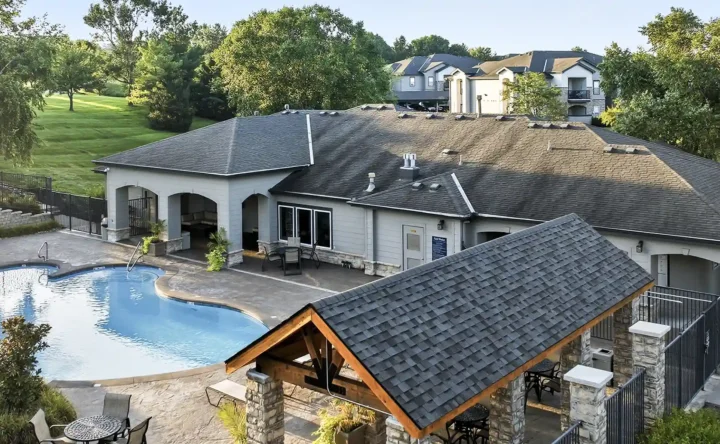
The Highlands in Overland Park, Kan., brings the Fund to $300M+ in net asset value.
Read
Company News
Spring leasing is gaining momentum. Hamilton Zanze's Tim Bruss shares insights on occupancy trends, concessions, and top-performing markets in 2026.
Read
Company News
Hamilton Zanze CEO Kurt Houtkooper joins Multi-Housing News to discuss the momentum building in multifamily in 2026.
Read