


 Contact
 Log in
Company News
Kansas City: An Underrated Multifamily Market with Staying Power
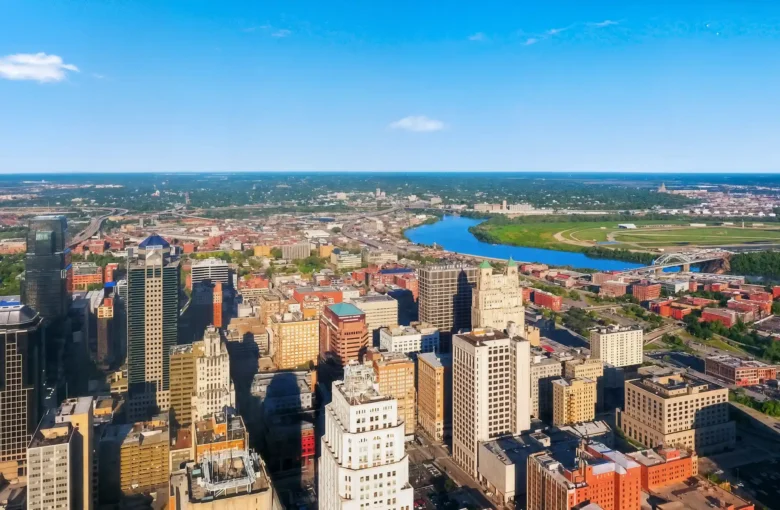
There’s a real argument to be made that Kansas City is one of the country’s most overlooked cities as well as one of its most underappreciated multifamily investment markets.
The metro’s residents and visitors can provide ample testimony to the city’s jazz culture, museums, sports scene, affordability and world-class barbecue. But beyond lifestyle, Kansas City has the qualities that matter most to multifamily investors: steady population growth, a balanced economy, measured supply and consistent apartment demand.
For investors looking for durable performance across market cycles, metro Kansas City deserves a place on their shortlists.
Population Growth and Economic Balance
From 2012 to 2022, Kansas City added more than 150,000 residents, a 7.6% gain according to Yardi Matrix. Another 25,000 residents arrived in 2024 alone, per Global Real Estate Advisors (GREA). That momentum is backed by a diverse economy where no sector represents more than 15% of total employment.
Healthcare, engineering, distribution, biosciences, technology and financial services all play meaningful roles, with employers like Garmin, Burns & McDonnell and the Federal Reserve anchoring the region.
This diversity provides stability. As Cushman & Wakefield noted in a recent report, Kansas City may not boom in the good times, but it also avoids the sharp downturns that characterize less balanced markets.
Affordability adds to the draw. With an overall cost of living that is roughly 9% below the national average and a cost of housing that is 12% lower, Kansas City offers an appealing quality of life for households seeking value.
Limited New Supply, Healthy Rent Growth
At mid-2025, about 5,300 units had been delivered in the preceding 12 months, right in line with the market’s five-year average, per GREA. At the same point in time, the construction pipeline stood at 5,900 units, or just 3.3% of inventory, while new starts were at a 13-year low. In today’s environment, that level of discipline matters.
In addition, last year the metro absorbed 7,798 units, outpacing apartment delivery by 3,720 units, and the region’s occupancy rate grew by 2.1% year-over-year to 96.4% in second-quarter 2025, according to Walker & Dunlop.
The result of all this: steady rent growth. Kansas City rents rose 3.8% annually through the second quarter, well above the national average of 1.2% and ranking among the top five large U.S. metros, according to GREA. Growth is balanced across the board: luxury assets, workforce housing and everything in between. The metro’s average asking rent has reached $1,360.
Sales Transaction Volume Rallies
After a muted stretch, capital is flowing back into Kansas City. Through the first half of 2025, sales volume reached $460 million, a 247% year-over-year increase.
Buyers are gravitating toward value-add and stabilized suburban properties, with firms like Hamilton Zanze, Bow River and BH Management among the most active. Top sellers in the market include NorthPoint Development, Blackstone and Benjamin E. Sherman & Sons.
The environment highlights what makes Kansas City compelling: it isn’t a boom-or-bust market, but one that rewards disciplined investment strategies.
Looking Ahead
The affordability of single-family homes, which now sell for an average of $251,600, bears watching, as it could influence renter demand over time. But on balance, Kansas City stands out for its fundamentals.
Investors will find a market with growth, stability and a healthy balance between supply and demand. These are the conditions that create the opportunity for consistent returns.
Kansas City may be overlooked by some, but for multifamily investors with the right lens, it is one of the Midwest’s most reliable markets.
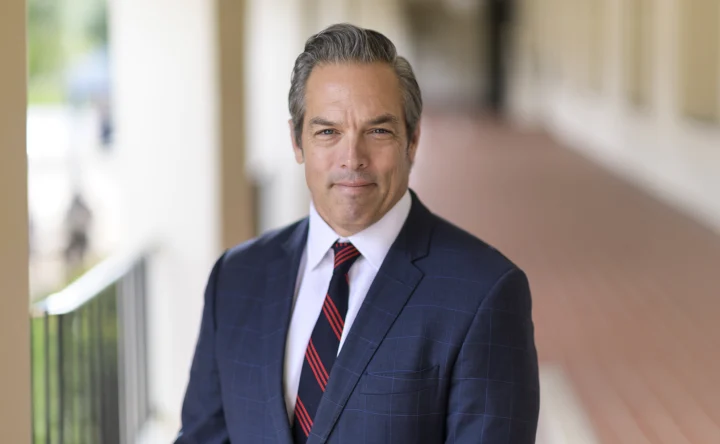
David Nelson is president and chief investment officer of Hamilton Zanze.
This article was originally published in Multifamily & Affordable Housing Business.


Company News
Press Releases
Todd Williams, General Counsel of San Francisco-based Hamilton Zanze, has been named a 2026 Influencer in Multifamily Real Estate by GlobeSt.
Read
Company News
Press Releases
Hamilton Zanze grows the HZ Evergreen Fund to 12 properties across six states with new acquisitions in Oregon and Virginia.
Read
Company News
Hamilton Zanze CIO David Nelson explains why Nashville's multifamily market is nearing an inflection point, and what it means for investors.
Read